
 Login
Login- Understanding Zero Trust Architecture
- The Importance of Secure Root Access
- Key Principles of Zero Trust Architecture for Root Access
- 1. Least Privilege Access
- 2. Continuous Monitoring and Verification
- 3. Micro-Segmentation
- Implementing Zero Trust Architecture for Root Access
- Assess Current Security Posture
- Develop a Comprehensive Access Policy
- Use Advanced Authentication Techniques
- Regular Audit and Compliance Checks
- Conclusion
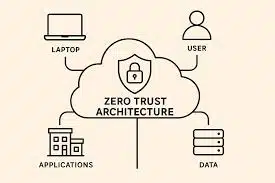
In today’s rapidly evolving cybersecurity landscape, organizations are increasingly recognizing the limitations of traditional security models. One approach that has gained considerable traction is the adoption of Zero Trust Architecture (ZTA). Root access, often considered the golden key to computer systems, demands a robust security framework. ZTA provides a comprehensive model for managing and securing root access effectively.
Understanding Zero Trust Architecture
Zero Trust Architecture operates on the principle of “never trust, always verify.” Unlike conventional perimeter-based security models that assume trust within the network, ZTA continuously validates users and devices, regardless of their location. This model is particularly vital when it comes to managing root access, where trust must be meticulously established and monitored.
The Importance of Secure Root Access
Root access facilitates unrestricted control over system configurations, which can lead to significant risks if not managed properly. Attackers who gain root access can wreak havoc, potentially exfiltrating sensitive data or crippling essential services. With ZTA, organizations can implement fine-grained control over who gets root access and under what conditions, significantly enhancing security measures.
Key Principles of Zero Trust Architecture for Root Access
1. Least Privilege Access
A cornerstone of ZTA is the principle of least privilege, which dictates that users should have only the access necessary to perform their job functions. For root access, this means granting permissions only when absolutely necessary and monitoring these permissions continuously. Organizations can implement temporary elevation of privileges, ensuring users only have root access when needed for specific tasks.
2. Continuous Monitoring and Verification
In a Zero Trust framework, continuous monitoring is essential. Every access attempt is scrutinized, regardless of whether it originates from inside or outside the network. This involves not only logging user activities but also employing advanced analytics to detect unusual behavior patterns that could indicate potential threats. By continuously validating the authenticity of users requesting root access, organizations can quickly respond to any anomalies.
3. Micro-Segmentation
Micro-segmentation involves dividing the network into smaller, isolated segments, making it more challenging for attackers to move laterally once they gain access. In a ZTA, even users with root access should encounter limitations based on their segment of the network. This approach minimizes the potential damage that can occur from a compromised account.
Implementing Zero Trust Architecture for Root Access
Assess Current Security Posture
Organizations need to begin by assessing their existing security posture. This involves identifying current root access frameworks and any potential vulnerabilities. A thorough understanding of how current systems function will create a strong foundation for implementing ZTA.
Develop a Comprehensive Access Policy
Create a clear and comprehensive access policy that outlines who can request root access and under what circumstances. This policy should be dynamic, allowing for adjustments as requirements or threat landscapes evolve.
Use Advanced Authentication Techniques
Adopting authentication techniques such as multi-factor authentication (MFA) is critical when dealing with root access. MFA adds another layer of security, ensuring that only authorized users can access sensitive areas of the system.
Regular Audit and Compliance Checks
Regular audits of access controls and compliance checks can significantly enhance the security of ZTA implementations. By consistently reviewing permissions and user access logs, organizations can identify any deviations from expected norms and take corrective actions promptly.
Conclusion
As cyber threats continue to evolve and grow in complexity, adopting Zero Trust Architecture for root access becomes not just advantageous, but essential. This security paradigm ensures that organizations fundamentally rethink their trust models, enabling more stringent controls and ongoing vigilance. In an age where breaches can have catastrophic consequences, implementing ZTA can be a significant step toward safeguarding sensitive systems and data from unauthorized access. By prioritizing least privilege access, continuous monitoring, and micro-segmentation, organizations can fortify their defenses and protect one of their most critical assets—root access—in a dynamic threat landscape.


