
 Login
Login- Understanding Multi-Tenancy
- Benefits of WordPress Multi-Tenancy
- Implementing Multi-Tenancy in WordPress
- 1. WordPress Multisite
- 2. Third-Party Solutions
- Challenges to Consider
- Conclusion
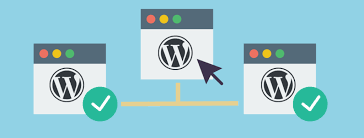
WordPress multi-tenancy is an innovative approach that allows businesses, developers, and agencies to host thousands of sites on a single WordPress installation. This method offers a practical solution for organizations looking to streamline their web hosting strategies, reduce costs, and improve site management efficiency. By making the most of WordPress’s capabilities, users can benefit from a centralized system while maintaining the flexibility and performance of individual sites.
Understanding Multi-Tenancy
At its core, multi-tenancy refers to an architecture where a single software instance serves multiple users or clients, referred to as tenants. In the context of WordPress, it means that multiple websites can operate within one environment but remain separate in terms of content, functionality, and user access. This is particularly useful for businesses with multiple brands or those offering website solutions to various clients.
Benefits of WordPress Multi-Tenancy
-
Cost Efficiency: Hosting multiple sites on a single installation significantly reduces overhead costs. Instead of needing separate hosting accounts and resources for each site, users can manage everything from one place.
-
Simplified Management: Managing updates, backups, and security becomes a streamlined process when dealing with just one installation. This not only saves time but minimizes the risk of neglecting some sites.
-
Shared Resources: With multi-tenancy, resources such as themes, plugins, and media files are shared across all sites. This allows for consistent branding and user experience, while enabling quick deployment of features and updates.
-
Scalability: Multi-tenancy enables businesses to scale quickly. As the need arises to add more sites, it can be done seamlessly without the hassle of setting up new installations.
Implementing Multi-Tenancy in WordPress
To set up a multi-tenant architecture in WordPress, there are a couple of approaches you can consider:
1. WordPress Multisite
The most well-known method for achieving multi-tenancy is through WordPress Multisite. This built-in feature allows users to create a network of sites from a single WordPress installation. Here’s how it works:
-
Network Setup: Users can enable the Multisite feature by modifying their
wp-config.phpfile. Once activated, the setup process guides you through the creation of a network, allowing the installation of additional sites under one umbrella. -
Site Management: Admins can manage each site individually, adjusting user roles, themes, and plugins according to specific needs while retaining the benefits of centralized control.
2. Third-Party Solutions
For those looking for more flexibility or enhanced features, there are various third-party plugins and services designed to facilitate WordPress multi-tenancy. These solutions often offer tailored functionalities such as custom dashboards, user permissions, and more extensive reporting tools. Popular choices include:
-
InfiniteWP: This tool allows users to manage multiple WordPress sites from a single-dashboard interface, simplifying updates, backups, and security checks.
-
MainWP: Similar to InfiniteWP, MainWP offers a robust management system tailored for WordPress users, focusing on deep management features for multisite.
Challenges to Consider
While multi-tenancy offers many advantages, it is not without its challenges. Administrators should consider:
-
Performance Issues: Hosting thousands of sites requires robust hosting capabilities. As the number of sites increases, server resources can become strained, leading to performance issues. Choosing the right hosting provider with adequate resources is crucial.
-
Security Risks: A single vulnerability can potentially expose all sites within the network. Implementing strong security measures, such as regular updates and monitoring, becomes essential to safeguard all tenants.
-
Plugin Limitations: Not all WordPress plugins are compatible with Multisite environments. It’s important to research and test plugins to ensure they function correctly across multiple sites.
Conclusion
WordPress multi-tenancy is a powerful approach that enables businesses to host and manage multiple websites efficiently. By leveraging its capabilities through Multisite or third-party solutions, users can reap the benefits of cost savings, simplified management, and scalability. However, careful planning and consideration of potential challenges are necessary to ensure success in this multi-site environment. As digital presence continues to grow, understanding and implementing multi-tenancy can provide a significant competitive advantage for organizations.


