
 Login
Login- The Rise of Subscription Models
- Benefits of Recurring Revenue
- Predictability and Stability
- Improved Customer Lifetime Value
- Enhanced Customer Insights
- Strategies for Implementing Subscription Models
- Know Your Audience
- Start Small, Iterate, and Scale
- Offer Flexible Pricing Tiers
- Challenges to Consider
- Conclusion
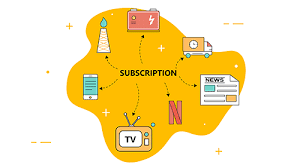
In today’s fast-paced digital landscape, businesses are increasingly shifting their focus from one-time sales to subscription models as a means of generating steady, recurring revenue. This transition reflects profound changes in consumer behavior and expectations. With consumers valuing convenience, flexibility, and personalized experiences, a subscription model offers a compelling solution that meets these demands while fostering long-term relationships with customers.
The Rise of Subscription Models
The subscription economy has gained remarkable traction over the past decade, with countless industries adopting this framework. Services ranging from software (Software as a Service, or SaaS) to food delivery and streaming have embraced the recurring payment model. The predictability of revenue from subscriptions allows businesses to plan better, allocate resources more efficiently, and invest in further development. As a result, many companies are finding that they can achieve both sustained growth and customer loyalty.
Benefits of Recurring Revenue
Predictability and Stability
One of the primary advantages of switching to a subscription model is the predictability it brings. Businesses can forecast revenue more accurately, helping them make informed decisions regarding budgeting, staffing, and investment. This stability paves the way for innovative product development and continual enhancement of customer experience.
Improved Customer Lifetime Value
With a satisfactory subscription experience, companies can significantly increase Customer Lifetime Value (CLV). Recurring revenue allows businesses to cultivate relationships beyond the initial sale, ensuring ongoing engagement and providing opportunities for upselling and cross-selling. By establishing a connection with customers through regular interactions, businesses build loyalty, leading to longer subscription durations.
Enhanced Customer Insights
A subscription model inherently facilitates better data collection. With ongoing transactions, companies can gather insights about customer preferences, behaviors, and trends. This invaluable information enables businesses to tailor their offerings, create targeted marketing campaigns, and ultimately enhance product value, further solidifying customer relationships.
Strategies for Implementing Subscription Models
Transitioning to a subscription model may seem daunting, but with the right strategies, it can be a smooth process:
Know Your Audience
Organizations need to thoroughly understand their target market. Conducting surveys, interviews, and analyzing purchasing behavior can provide insights that help tailor the subscription offerings to better meet customer needs. Highlighting the unique value propositions—whether it’s convenience, cost savings, or exclusive access—can make subscription services more appealing.
Start Small, Iterate, and Scale
Implementing a subscription model doesn’t have to be a complete overhaul of the business. Companies can start with pilot programs or limited-time offers to test customer response and refine their approach based on feedback. This iterative process allows businesses to minimize risks and make data-driven adjustments before scaling up.
Offer Flexible Pricing Tiers
Introducing multiple pricing tiers can help capture a wider audience. Different subscription levels can cater to varying customer segments, allowing both budget-conscious consumers and premium clients to find a suitable option. Offering free trials or introductory pricing can also encourage hesitant customers to take the leap into subscription.
Challenges to Consider
As with any business model, moving to a subscription framework may present hurdles. Customer retention can be a significant challenge, as businesses need to ensure that offerings remain relevant and valuable. Regularly assessing customer satisfaction and gathering feedback is critical to addressing potential retention issues.
Moreover, competition in the subscription economy is fierce. Companies must continuously innovate and adapt their services to stay ahead of competitors and maintain their customer base. This need for consistent improvement means businesses should prioritize investing in both product development and customer experience.
Conclusion
The shift from one-time sales to subscription models represents a strategic evolution in how businesses generate revenue and engage with customers. By embracing the subscription model, companies can benefit from predictable income, enhanced customer loyalty, and valuable insights into consumer behavior. As businesses navigate this transition, understanding customer needs and being adaptable will be imperative in ensuring long-term success. With the right approach, organizations can thrive in this subscription-driven landscape, unlocking significant opportunities for growth.


