
 Login
Login
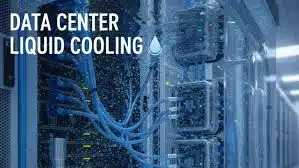
Understanding Liquid Cooling
Liquid cooling is a method that utilizes liquid coolant to absorb and dissipate heat from servers and other hardware. Unlike air cooling, which relies on fans and blowers, liquid cooling systems leverage the superior thermal conductivity of liquids to provide a more effective cooling solution.
Types of Liquid Cooling
There are several types of liquid cooling methods currently in use: 1. Direct Liquid Cooling (DLC) – Involves circulating coolant directly around heat-producing components. – Can achieve higher cooling capacities with lower energy consumption. 2. Immersion Cooling – Servers are submerged in a non-conductive liquid coolant. – Provides an extensive heat transfer area, maximizing efficiency. 3. Chilled Liquid System – Chilled water is circulated through heat exchangers. – Often used in larger datacenters but requires additional infrastructure.
Benefits of Liquid Cooling
Liquid cooling technologies present numerous advantages that can lead to significant cost savings for datacenter operators.
1. Increased Energy Efficiency
One of the primary benefits of liquid cooling is its energy efficiency. Cooling with liquids typically requires less energy than air conditioning systems, thus lowering electricity costs. – Reduced Power Consumption: Liquid cooling systems can reduce the energy used for cooling by up to 40%. – Lower Operating Costs: With a higher cooling effectiveness, datacenters can operate more efficiently, leading to substantial savings.
2. Space Optimization
Liquid cooling technologies can help optimize space within datacenters. The compact design of cooling units means that more hardware can be accommodated in a given space. – Higher Density Deployments: With better cooling capabilities, facilities can house more servers in less area. – Flexibility in Design: Operators can create more effective layouts that maximize usable space.
3. Improved Reliability and Longevity
Heat directly impacts the longevity of server hardware. By implementing liquid cooling systems, datacenter operators can enhance their equipment’s reliability. – Lower Component Temperatures: Keeping server components cooler increases their lifespan and performance. – Reduced Downtime: Effective cooling minimizes the risk of overheating and reduces the likelihood of hardware failures.
Real-World Applications
Many leading datacenter providers have already adopted liquid cooling technologies with considerable success. For instance: – Google: Has been experimenting with immersion cooling in various locations. Their approach not only reduced energy consumption but also improved overall performance. – Microsoft: Launched underwater datacenters that utilize liquid cooling, achieving impressive efficiency gains while minimizing environmental footprint.
Challenges in Adoption
Despite the numerous advantages, transitioning to liquid cooling technologies is not without challenges.
Initial Investment
The upfront cost of liquid cooling systems can be higher than traditional air cooling systems. However, the return on investment often justifies the expenditure through long-term savings.
Maintenance and Infrastructure Considerations
Liquid cooling systems require specialized maintenance and infrastructure that may not be readily available in all datacenter environments. Operators must evaluate their capabilities and consider training personnel to handle these systems.
Future of Liquid Cooling in Datacenters
As technologies advance and the demand for computational power rises, liquid cooling is set to play a crucial role in the future of datacenters. Innovations in cooling technologies promise to further enhance efficiency and drive down costs, making it a vital component of modern data management.
Conclusion
Liquid cooling technologies present a powerful solution for datacenters aiming to reduce operational costs while improving cooling efficiency and reliability. By embracing these advancements, users can pave the way for more sustainable and cost-effective datacenter operations. The future is bright for liquid cooling—ensuring that performance and efficiency are not just goals, but realities for users everywhere.


