
 Login
Login- Why INP Matters
- The Implications for WordPress Developers
- 1. Understanding User Interaction Patterns
- 2. Performance Optimization Techniques
- 3. Utilizing Tools to Measure INP
- Practical Steps to Optimize INP
- Looking Ahead: The Future of INP in Web Development
- Conclusion
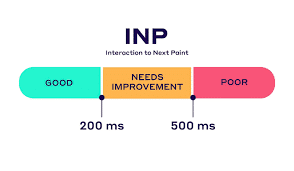
Understanding how users interact with web pages is crucial for WordPress developers striving to enhance user experience. One of the latest metrics emerging in this area is Interaction to Next Paint (INP). This metric measures the responsiveness of a webpage by analyzing the time between a user’s interaction (like clicking a button) and the next visual update on the screen. As user expectations continue to rise, particularly regarding page load times and interactivity, understanding and optimizing for INP has never been more critical.
Why INP Matters
INP is part of a broader suite of web performance metrics that focus on how users perceive the speed and responsiveness of a site. While traditional metrics like Time to First Byte (TTFB) and First Contentful Paint (FCP) provide vital insights into page speed, INP delves deeper into user interaction. By focusing on how quickly a page responds to user actions, this metric aligns more closely with real-world user experiences. A low INP means users can interact with a site in a smooth, fluid manner, while a high INP can lead to frustrations, creating a perception of sluggishness.
The Implications for WordPress Developers
For WordPress developers, optimizing for INP requires a shift in how we think about performance. Here are some key implications to consider:
1. Understanding User Interaction Patterns
Developers should first analyze how users interact with their sites. Common interactions include clicks on buttons, link hovers, or form submissions. Identifying the most frequent interactions helps prioritize optimizations aimed at reducing INP.
2. Performance Optimization Techniques
To improve INP, developers may employ several techniques:
-
Reduce JavaScript Execution Time: Optimizing scripts can lead to faster reactions to user interactions. This includes deferring non-critical JavaScript or using techniques such as lazy loading.
-
Optimize Rendering Process: Minimizing layout shifts and ensuring smooth rendering can significantly enhance the user experience. Using tools like Lighthouse can provide insights into problematic areas.
-
Preload Key Resources: Resources that are critical for immediate interactions should be preloaded. This ensures that when a user interacts with the page, the necessary assets are already in place, leading to quicker responses.
3. Utilizing Tools to Measure INP
Developers can leverage various performance monitoring tools to assess INP. Google’s Web Vitals report, integrated within platforms like Google Search Console, provides developers with invaluable data on how their sites perform against this metric. Additionally, tools like PageSpeed Insights and Lighthouse offer comprehensive audits and actionable insights.
Practical Steps to Optimize INP
Here are some practical steps WordPress developers can implement to improve INP across their websites:
-
Optimize Plugins and Themes: Not all plugins and themes are created equal in terms of performance. Developers should regularly audit their usage and eliminate any that significantly delay interaction times.
-
Monitor Server Response Time: An efficient server response time translates directly to better performance. Consider using a reliable hosting provider optimized for WordPress.
-
Implement Caching Solutions: Leveraging caching plugins can drastically reduce load times, making interactions more immediate and seamless.
Looking Ahead: The Future of INP in Web Development
As web standards evolve, metrics like INP will play an increasingly important role in shaping user experiences. WordPress developers who adopt an INP-focused approach will not only enhance the quality of their websites but also position themselves as forward-thinking professionals in the industry. By prioritizing responsiveness and interactivity, developers can ensure their sites remain competitive in an ever-demanding digital landscape.
Conclusion
As the web continues to evolve, so too must the strategies that developers use to create engaging experiences. INP serves as a vital indicator of how users experience interactivity, guiding developers toward more responsive, polished sites. By embracing this new metric, WordPress developers can significantly enhance user satisfaction, leading to better engagement and conversions. It’s time for developers to monitor, understand, and optimize for INP, ensuring their projects meet the high expectations of today’s web users.


