
 Login
Login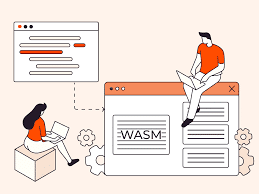
What is WebAssembly?
WebAssembly is a binary instruction format designed for safe, high-performance execution on the web. It allows developers to compile code written in languages like C, C++, and Rust into a compact binary format that can be run by modern web browsers. This capability means that developers can execute complex tasks directly in the browser rather than relying solely on server-side processing.
How Wasm Reduces Server Load
1. Offloading Computation
One of the primary ways that WebAssembly reduces server resource usage is by offloading computationally intensive tasks to the client-side. This move allows servers to handle lighter loads, thus improving overall performance and responsiveness. – Less Data Sent: Rather than sending heavy data sets or performing intensive computations server-side, Wasm allows these operations to be performed locally in the user’s browser. – Faster Response Times: By executing code on the client side, applications can provide faster response times because they eliminate the latency that comes with server requests.
2. Efficient Resource Utilization
WebAssembly is designed to be lightweight and efficient, making it ideal for modern web applications. – Compact Binary Format: The binary nature of Wasm ensures that codes are small in size, leading to quicker downloading and reduced bandwidth consumption. – Memory Management: Wasm offers predictable performance and efficient memory management, allowing developers to optimize the use of resources on client machines without overloading the server.
Advantages of Reduced Server Resource Usage
1. Cost Efficiency
Reducing server resource usage translates to lower operational costs. By relying more on client-side processing, organizations can opt for less powerful servers, thereby reducing infrastructure expenses.
2. Improved Scalability
Applications that utilize WebAssembly can handle more users simultaneously due to reduced server loads. This scalability is crucial for businesses anticipating rapid growth or facing spikes in user activity.
3. Enhanced User Experience
With faster load times and smoother interactions, user experiences improve significantly. As websites become more interactive without heavy back-end processing, users enjoy a seamless experience.
Use Cases of WebAssembly
1. Gaming Applications
WebAssembly finds substantial use in gaming, where performance is critical. Developers can run game logic directly in the browser, allowing for richer, more interactive gaming experiences without heavy server dependence.
2. Video Editing and Graphics Processing
WebAssembly enables rich media applications, allowing users to perform video editing and graphics processing in real time within their browsers. This approach drastically cuts down on server resources needed for processing.
3. Scientific Calculations
Tasks that require high-performance computing, such as simulations or data analysis, can be efficiently handled with WebAssembly. Researchers can run complex algorithms locally without bogging down a server.
The Future of WebAssembly
As web technologies evolve, WebAssembly is positioned to play a crucial role in how applications are developed and deployed. With ongoing support from major browser vendors and the developer community, we can expect more innovative uses of Wasm.
Key Trends to Watch
– Integration with JavaScript: Enhanced interoperability with JavaScript frameworks will further streamline development processes. – Wider Language Support: Increasing support for additional programming languages will allow even more developers to leverage Wasm. – Cloud Computing Synergy: WebAssembly could lead to new paradigms in cloud computing, particularly in edge computing scenarios where processing is distributed closer to the user.
Conclusion
WebAssembly (Wasm) stands out as a transformative technology, substantially reducing server resource usage while enhancing performance and user experience. By embracing Wasm, developers not only optimize their applications but also prepare for a more efficient, scalable web environment. As its adoption grows, the potential benefits for businesses and users alike will continue to expand.


