
 Login
Login- Understanding Cart Abandonment
- What Are Block Checkouts?
- Key Benefits of Block Checkouts
- 1. Enhanced User Experience
- 2. Reduced Friction
- 3. Improved Mobile Experience
- 4. Increased Trust
- Implementing Block Checkouts Effectively
- 1. Designing Intuitively
- 2. Minimizing Inputs
- 3. A/B Testing for Optimization
- Measuring Success
- Conclusion
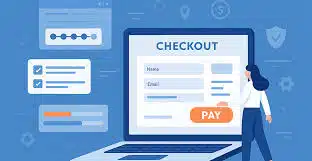
Reducing cart abandonment is a critical challenge for e-commerce businesses looking to boost conversion rates and enhance customer satisfaction. One innovative approach that has emerged is block checkouts. This method simplifies the checkout process, making it more user-friendly and intuitive. Let’s explore how block checkouts can significantly impact cart abandonment rates and improve overall user experience.
Understanding Cart Abandonment
Cart abandonment occurs when customers add items to their shopping cart but leave the site before completing the purchase. Statistics indicate that nearly 70% of online shoppers abandon their carts, often leading to lost revenue and missed opportunities. Common reasons include complicated checkout processes, unexpected shipping costs, and lack of trust in the site. Streamlining the checkout experience is crucial in addressing these pain points.
What Are Block Checkouts?
Block checkouts are a method of streamlining the purchasing process by breaking it down into manageable sections. Instead of overwhelming customers with a lengthy form, block checkouts typically display a single field or a couple of related fields at a time. For instance, users might first enter their email address, then proceed to fill in shipping details, followed by payment information. This step-by-step approach minimizes cognitive load and keeps users engaged as they progress through the checkout.
Key Benefits of Block Checkouts
1. Enhanced User Experience
By presenting information in smaller, more digestible blocks, users feel less overwhelmed. This design enables a smoother transition from one step to another, improving overall browsing experience. Users are likely to interact more positively with the checkout if it feels less daunting.
2. Reduced Friction
Friction points, such as unexpected form fields or complicated layouts, can deter buyers. Block checkouts simplify navigation and reduce the number of clicks and inputs required, driving users toward completion. This approach minimizes the chances of a user losing interest or becoming frustrated during the process.
3. Improved Mobile Experience
With an increasing number of shoppers using mobile devices, the need for mobile-friendly checkout solutions is paramount. Block checkouts are inherently designed for mobile usage, with clear, larger inputs that are easy to navigate. This can lead to a significant decrease in cart abandonment rates among mobile users.
4. Increased Trust
Security reassurances are crucial in the e-commerce space. A well-structured block checkout can feature trust signals, such as security badges or customer testimonials, integrated seamlessly into the process. This transparency can help allay customers’ fears about sharing personal information, further decreasing abandonment rates.
Implementing Block Checkouts Effectively
1. Designing Intuitively
To maximize the effectiveness of block checkouts, ensure that the design is clean and intuitive. Use familiar icons and straightforward language. Avoid jargon that could confuse users, instead opting for plain terms that clarify what information is needed.
2. Minimizing Inputs
Only collect essential information at each step. Request additional details after the purchase, following industry best practices. By limiting the data required upfront, you can streamline the process even further.
3. A/B Testing for Optimization
Consider running A/B tests to experiment with different designs and wording. Evaluating customer feedback can help refine the block checkout process, allowing you to understand what works best for your audience.
Measuring Success
After implementing block checkouts, monitor key metrics such as cart abandonment rates, conversion rates, and user feedback. Use analytics tools to gauge how users interact with the checkout process. Adjust your strategy based on these insights to continuously improve user experience.
Conclusion
Block checkouts present an innovative solution for addressing the pervasive issue of cart abandonment. By simplifying the checkout process into manageable steps, e-commerce businesses can enhance user experience, reduce friction, and ultimately drive more conversions. As online shopping continues to evolve, adapting to these new strategies will be vital for sustaining growth and retaining customers. Embracing block checkouts could be the key to transforming potential sales into undertaken purchases.


