
 Login
Login- The Rise of Biometric Authentication
- Introducing Passkeys
- Advantages of Biometric Logins with Passkeys
- Challenges and Considerations
- The Future of Online Security
- Conclusion
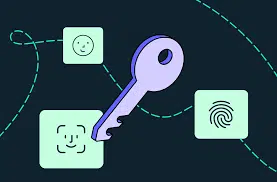
The digital landscape is undergoing a significant transformation, particularly in how we authenticate ourselves online. With concerns about security breaches and password fatigue skyrocketing, many technology innovators are pivoting towards biometric logins. This approach, which utilizes unique biological characteristics for identification, is rapidly gaining traction, leading us towards a future devoid of traditional passwords.
The Rise of Biometric Authentication
Biometric authentication leverages characteristics such as fingerprints, facial recognition, or iris scans to verify identity. Unlike passwords, which can be forgotten, stolen, or compromised, biometrics offer a more secure and user-friendly alternative. This evolution in security protocols is gaining momentum as users demand convenience without sacrificing safety.
Introducing Passkeys
Passkeys represent a pivotal integration of biometric technology with authentication systems. A passkey is a cryptographic entity stored on a device, allowing users to log into services without entering a password. This method hinges on the use of public-key cryptography, where the private key remains secure on the user’s device. This means even if the service provider experiences a data breach, malicious actors cannot access your private key.
Advantages of Biometric Logins with Passkeys
-
Enhanced Security: Biometric traits are difficult to replicate, making it more challenging for hackers to forge identities. With passkeys tied to biometric data, the likelihood of unauthorized access decreases significantly.
-
User Convenience: Biometric authentication simplifies the login process. No more remembering complex passwords or using a password manager—users can simply use their fingerprints or facial recognition to gain access.
-
Resistance to Phishing Attacks: Traditional passwords are susceptible to phishing schemes. In contrast, biometric logins, particularly when combined with passkeys, significantly mitigate this risk, as there’s no password to be phished.
Challenges and Considerations
Despite the clear advantages, the transition to biometric logins and passkeys is not without its challenges:
-
Privacy Concerns: Storing biometric information raises questions about data privacy and security. Users must trust that their sensitive biological data is handled responsibly, prompting a need for stringent regulations and transparent practices from providers.
-
Device Dependence: Biometric authentication often requires specific hardware capabilities. This reliance on devices may pose challenges for users with older devices or those who frequently switch between different devices.
-
Technical Limitations: Variability in biometric accuracy can lead to user frustration. For instance, factors like lighting conditions can hinder facial recognition, while dirty fingers may affect fingerprint scanners.
The Future of Online Security
The movement towards abandoning traditional passwords in favor of biometrics and passkeys is not merely a trend but a necessary evolution in the realm of online security. As organizations increasingly adopt these technologies, consumers will likely find themselves benefiting from a seamless and secure online experience.
Conclusion
Biometric logins and passkeys signify a promising leap toward a safer and more efficient authentication landscape. While challenges remain, the collective push towards eliminating traditional passwords is a critical step in enhancing digital security. As we continue to integrate these advanced authentication methods, society stands at the brink of a passwordless future, characterized by greater security and optimal user experience.


