
 Login
Login- Understanding Trust in AI
- The Need for Verification Frameworks
- Key Components of a Verification Framework
- 1. Data Quality Assessment
- 2. Model Testing and Validation
- 3. Performance Monitoring
- Leveraging AI Governance
- Ethical Considerations in Verification
- Conclusion
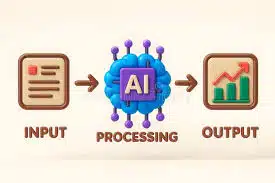
In an age where artificial intelligence (AI) is becoming increasingly embedded in everyday life, the necessity for trust and verification frameworks for AI outputs has never been greater. As organizations leverage AI to enhance decision-making processes, ensuring the reliability and integrity of these systems is critical. This article explores the essential components of trust and verification frameworks, methods for implementation, and their significance in the evolving landscape of AI technology.
Understanding Trust in AI
Trust in AI outputs is fundamentally about belief in the accuracy, reliability, and ethical considerations of the decisions made by AI systems. It is shaped by several factors:
-
Transparency: Clarity about how AI models function is key. Stakeholders need to understand both the data input and the reasoning behind the outputs.
-
Interpretability: Users should be able to comprehend how specific inputs lead to outcomes. AI systems must provide explanations, especially in high-stakes scenarios like healthcare or finance.
-
Accountability: Establishing responsibility for AI decisions fosters trust. Organizations must clarify who is accountable for the use of AI systems and their outputs.
The Need for Verification Frameworks
Verification frameworks are systematic approaches designed to ensure that AI outputs meet predefined standards of quality and accuracy. They serve several essential purposes:
- Error Detection: A robust verification process helps identify inaccuracies or biases within AI models.
- Mitigation of Risks: By validating AI outputs, organizations can minimize risks associated with making decisions based on flawed AI insights.
- Regulatory Compliance: Many industries face stringent regulations. Verification frameworks help organizations align with these requirements, ensuring their AI systems meet legal and ethical standards.
Key Components of a Verification Framework
To develop an effective verification framework for AI outputs, several components should be considered:
1. Data Quality Assessment
The foundation of any AI system is its data. Regular assessments of data quality—considering aspects such as accuracy, completeness, and timeliness—are crucial for ensuring the integrity of AI outputs. Organizations should implement data governance practices to maintain high standards.
2. Model Testing and Validation
AI models must undergo rigorous testing to confirm their performance under various conditions. Techniques like cross-validation, backtesting, and stress testing allow organizations to evaluate how models respond to different scenarios, thus enhancing reliability.
3. Performance Monitoring
Once implemented, AI models should not be left unchecked. Continuous performance monitoring allows organizations to track model accuracy over time and adjust as necessary based on incoming data trends or changes in operational contexts.
Leveraging AI Governance
Governance frameworks are integral to establishing a comprehensive trust and verification system for AI outputs. Communication between stakeholders, including data scientists, business leaders, and ethicists, ensures that multiple perspectives are considered in the evaluation process. Additionally, governance frameworks can outline a clear protocol for auditing AI systems, which is essential for identifying potential issues.
Ethical Considerations in Verification
Incorporating ethical considerations into verification frameworks is paramount. Organizations must be proactive in addressing issues related to bias, fairness, and accountability. This requires a multidisciplinary approach, inviting feedback from diverse stakeholders to ensure that AI outputs align with societal values.
Conclusion
The intersection of trust and verification frameworks in AI is crucial for the responsible deployment of technology in various sectors. By prioritizing transparency, accountability, and ethical considerations, organizations can enhance the credibility of their AI systems. The establishment of robust verification frameworks not only mitigates risks but also fosters a culture of trust, encouraging broader acceptance of AI technology across society. As the landscape continues to evolve, investing in these frameworks will be fundamental to leveraging the full potential of AI while safeguarding user interests and societal values.


