
 Login
Login- Improving Diagnosis with AI
- Enhancing Treatment Options
- Predictive Analytics for Proactive Care
- Streamlining Administrative Processes
- Ethical Considerations and Future Prospects
- Conclusion
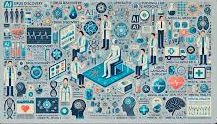
The integration of artificial intelligence (AI) into healthcare is revolutionizing how medical professionals diagnose diseases and administer treatment. By leveraging advanced algorithms and vast amounts of data, AI enhances clinical decision-making and patient outcomes while introducing new levels of efficiency and accuracy. This transformative technology is not only streamlining processes within hospitals but is also fostering significant advancements in medical research, predictive analytics, and patient care.
Improving Diagnosis with AI
One of the most compelling applications of AI in healthcare is its ability to improve diagnostic accuracy. Traditional diagnostic methods can be limited by human error, availability of information, and time constraints. AI tools, such as deep learning algorithms, analyze medical images with greater precision than ever before. For instance, AI systems can identify patterns in radiological images, enabling earlier detection of conditions like cancer, often at stages that are more treatable.
Furthermore, AI is shaping the future of pathology through image recognition technology. Algorithms can evaluate biopsy samples more consistently than human pathologists, reducing variability and improving diagnostic reliability. By assisting clinicians in recognizing anomalies, AI can lead to timely interventions and potentially save lives.
Enhancing Treatment Options
Beyond diagnosis, AI is playing a crucial role in personalizing treatment plans for patients. Machine learning models can analyze a patient’s health history, genetic makeup, and lifestyle factors to suggest individualized treatment options. This precision medicine approach helps healthcare providers select therapies that are most likely to succeed based on a patient’s unique characteristics.
In addition, AI-driven robotic systems are assisting surgeons during operations. These systems provide enhanced dexterity and precision, minimizing human error and improving surgical outcomes. The integration of AI in surgical procedures is not only increasing safety but also reducing recovery times for patients.
Predictive Analytics for Proactive Care
AI’s capabilities extend to predictive analytics, which is vital in anticipating medical issues before they become critical. By analyzing patient data, wearable device metrics, and environmental factors, AI can predict potential health risks and alert both physicians and patients. This proactive approach facilitates early intervention, reducing hospital readmissions and improving overall public health outcomes.
For example, algorithms can analyze trends in heart rate and blood glucose levels to identify patients at risk for conditions like heart attacks or diabetes-related complications. By proactively managing these risk factors, healthcare systems can significantly lessen the burden on emergency services and improve quality of life for patients.
Streamlining Administrative Processes
AI is not limited to clinical applications; it is also making waves in the administration of healthcare services. Routine tasks such as scheduling appointments, processing insurance claims, and managing patient records can be automated through AI-powered systems. This efficiency allows healthcare staff to focus more on patient care rather than administrative burdens, which can lead to an overall improvement in service delivery.
Moreover, AI-driven chatbots and virtual assistants are enhancing patient engagement by providing immediate support for appointment scheduling, medication inquiries, and general health information. This accessibility of information empowers patients and fosters a more collaborative healthcare experience.
Ethical Considerations and Future Prospects
While the benefits of AI in healthcare are substantial, it is crucial to also address the ethical considerations associated with its use. Issues such as data privacy, the potential for bias in algorithms, and the need for transparency in AI decision-making processes must be carefully managed. Clear regulations and guidelines are vital to ensure that the integration of AI serves to enhance human healthcare, rather than replace it.
Looking ahead, the intersection of AI and healthcare will continue to evolve, with innovations like AI-driven drug discovery and telemedicine also on the horizon. These advancements promise to extend the reach of quality healthcare to underserved populations, making essential services more accessible and affordable.
Conclusion
AI is reshaping the landscape of healthcare through improved diagnostics, personalized treatment options, and enhanced operational efficiency. As this technology continues to progress, its potential to transform patient care and outcomes is immense. With a thoughtful approach to ethical considerations and ongoing innovation, the future of healthcare powered by AI is set to be both impactful and promising.


