
 Login
Login- The Rise of AI in Creative Arts
- AI in Painting
- Music Creation Through AI
- Film and AI: A Narrative Revolution
- Ethical Considerations
- The Future of AI and Creativity
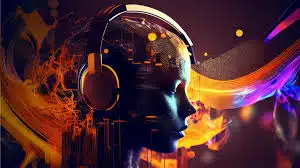
The Rise of AI in Creative Arts
The intersection of artificial intelligence and creative arts is a captivating area of exploration that has begun to transform the way we conceive of artistic expression. From paintings generated by algorithms to compositions crafted from data, and films enriched by AI-driven storytelling, the role of technology in creativity is both revolutionary and thought-provoking.
AI in Painting
AI has made significant strides in the realm of visual arts. Programs like DeepArt and DALL-E use neural networks to analyze existing artworks, allowing them to create new pieces that mimic various artistic styles. These technologies can produce stunning images in the style of Van Gogh, Picasso, or even contemporary artists by interpreting and combining countless influences from their vast datasets.
One of the most intriguing aspects is the collaboration between human artists and AI systems. Artists can use AI as a tool, experimenting with generated imagery or using it to spark inspiration. This collaboration challenges traditional notions of authorship, raising questions about what it means to be an artist in the digital age.
Music Creation Through AI
In the music industry, AI is not just a novelty but a powerful collaborator. Tools such as AIVA and OpenAI’s MuseNet can compose original music, blending various genres and styles. These AI systems learn from existing compositions, allowing them to produce music that invokes emotions and potentially resonates with audiences.
AI’s ability to analyze data also allows for personalized music curation. Streaming services use algorithms to understand listener preferences, crafting playlists that align closely with individual tastes. This data-driven approach has changed how we consume music, making it more accessible while also fostering new artists who can utilize these technologies to reach wider audiences.
Film and AI: A Narrative Revolution
The film industry has not been left untouched by the advancements in AI technology. Scriptwriting applications, like ScriptBook, can analyze films for elements that contribute to their success or failure, giving filmmakers insights that were once the domain of experienced screenwriters alone. Additionally, AI-driven tools can assist in editing, visual effects, and even CGI through sophisticated algorithms.
Moreover, AI has the potential to influence storytelling itself. By using data analytics and audience feedback, filmmakers can tailor narratives that are more likely to resonate with viewers. This not only enhances the filmmaking process but also creates a more engaging experience for the audience.
Ethical Considerations
Despite the advancements, the integration of AI within creative arts does raise important ethical questions. Who owns the copyright to a piece of art created by an AI? Should an AI-created song be attributed to its programmer or the machine itself? These dilemmas require careful consideration as artists, producers, and consumers navigate the evolving landscape.
Moreover, there is a genuine fear that reliance on AI could lead to a homogenization of creative output. As algorithms often analyze and replicate existing styles, the uniqueness of human creativity might become diluted in favor of trends.
The Future of AI and Creativity
Looking ahead, the relationship between AI and creative arts is poised to grow even more dynamic. The potential for combining human ingenuity with the analytical power of AI opens up new avenues for artistic exploration. As these technologies continue to evolve, we may discover innovative ways that allow AI to enhance rather than replace human creativity.
In conclusion, AI is redefining the landscape of creative arts through its applications in painting, music, and film. While it brings powerful tools and exciting new possibilities, it also necessitates a thoughtful examination of its implications for artists and society at large. As we embrace these changes, the future of creativity promises to be as complex and multifaceted as the technology that influences it.


