
 Login
Login
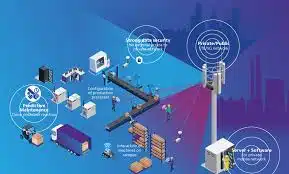
Understanding VPS
A Virtual Private Server (VPS) is a virtualized server that mimics a dedicated server within a shared hosting environment. It offers more control, flexibility, and functionality compared to traditional shared hosting. In the context of IIoT, VPS plays a crucial role in supporting various applications, from data collection to real-time processing.
Key Features of VPS
1. Isolation of Resources: Each VPS has its own dedicated resources, which ensures that applications run smoothly without interference from others. 2. Customization: Users can customize their VPS environments according to specific application needs, enabling optimal performance for IIoT tasks. 3. Scalability: VPS allows businesses to easily scale their resources as their needs grow, making it a cost-effective solution for adapting to the evolving IIoT landscape.
Advantages of Using VPS in IIoT
VPS offers numerous advantages that make it an ideal choice for industrial applications, including:
1. Enhanced Security
In the age of cyber threats, data security is paramount. VPS provides an isolated environment that enhances security measures compared to shared hosting. Businesses can implement advanced security protocols, ensuring sensitive IIoT data remains protected from unauthorized access.
2. Improved Performance
Latency can severely impact IIoT operations. VPS helps minimize delays by providing dedicated resources, which means faster processing and response times. This is especially critical for applications that require real-time data analytics, such as predictive maintenance in manufacturing.
3. Cost-Effectiveness
VPS is often more affordable than dedicated servers while offering similar performance levels. For many businesses, this balance of cost and capability is vital. By reducing operational costs, companies can allocate resources to other areas, such as innovation and development.
4. Flexible Integration
VPS allows seamless integration with various IIoT devices and platforms. This flexibility is crucial for businesses looking to employ multiple devices and systems. The open architecture of VPS makes it easier to adapt to new technologies and standards as they emerge.
Use Cases for VPS in IIoT
VPS is particularly effective in several key areas of the IIoT ecosystem:
1. Data Analytics
In many industrial settings, data from sensors and machinery needs to be analyzed in real-time. VPS can handle these analytics processes efficiently, offering insights that can enhance operational efficiency and reduce downtime.
2. Remote Monitoring
VPS provides a platform for monitoring industrial equipment remotely. This functionality enables predictive maintenance, where machines can signal when they need servicing, thereby avoiding unexpected failures.
3. Smart Manufacturing
In a smart manufacturing environment, multiple systems must communicate effectively. VPS serves as a central hub, enabling these systems to exchange data and respond to evolving operational demands.
4. Cloud Integration
VPS can be easily integrated with cloud services, allowing businesses to leverage cloud computing power for additional processing and storage needs. This hybrid approach enhances the capability and reliability of IIoT solutions.
Conclusion
As industries continue to embrace the Industrial Internet of Things, the role of VPS will only grow in significance. From enhancing security and performance to offering cost-effective solutions, VPS addresses many of the challenges faced in the IIoT ecosystem. By adopting VPS technology, businesses can not only streamline their operations but also pave the way for innovative approaches that will shape the future of industrial production and efficiency. — By understanding and leveraging the benefits of VPS within the IIoT ecosystem, organizations can position themselves for success in an ever-evolving technological landscape.


