
 Login
Login- Understanding Neomorphism in Web Design
- The Appeal of Neomorphism
- Current Trends in WordPress Block Design
- The Technical Side: Implementing Neomorphism in WordPress Blocks
- Challenges and Considerations
- The Future of Neomorphism in WordPress
- Conclusion
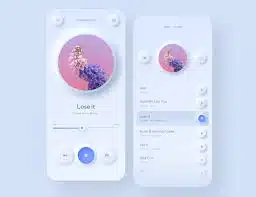
Understanding Neomorphism in Web Design
Neomorphism, originally gaining traction in 2019, is a design trend that simulates physicality by using subtle shadows and highlights to create a soft, raised effect on user interface elements. This style, characterized by minimalistic aesthetics and depth, has found its niche predominantly in mobile applications and websites. With the evolution of WordPress and its block editor, many designers are now wondering if neomorphism is making a comeback in block designs.
The Appeal of Neomorphism
Neomorphism creates an enticing visual experience that captures users’ attention. By leveraging soft shadows and light, it allows designers to create interfaces that seem tangible and inviting. This tactile quality is particularly appealing in a digital landscape often characterized by flat and bold designs.
One of the main reasons neomorphism can be effective is its ability to blend seamlessly with various design styles. It adds sophistication to clean layouts, which can make content stand out more effectively. In the context of WordPress, this aesthetic could enhance user engagement on websites, making the interaction feel more organic and fluid.
Current Trends in WordPress Block Design
The introduction of the block editor in WordPress has enabled more flexibility and creativity than ever before. With the new tools available, designers and developers are exploring various styles, leading to evolving design trends within the platform. The potential resurgence of neomorphism aligns with the growing preference for unique, artistic UI elements.
Many themes and page builders now offer blocks that accommodate different design styles—this includes the nuanced effects of neomorphism. With the ability to customize CSS directly in the block settings, creators can easily instill neomorphic elements into their designs.
The Technical Side: Implementing Neomorphism in WordPress Blocks
To implement neomorphism effectively in WordPress, a solid understanding of CSS is essential. The key is to use a combination of background colors, shadows, and borders. Here’s a simple example of how you might create a neomorphic button:
.neomorph-btn {
    background: #e0e0e0;
    border-radius: 12px;
    box-shadow: 6px 6px 10px #b8b8b8,
                -6px -6px 10px #ffffff;
    color: #333;
    padding: 10px 20px;
}
By adjusting the colors, shadows, and borders, designers can tweak the visual depth and dimensionality to create captivating user interfaces within WordPress.
Challenges and Considerations
Despite its allure, neomorphism comes with challenges that designers must consider. Accessibility is paramount; the subtle contrasts can sometimes render elements difficult to discern for users with visual impairments. Ensuring that a neomorphic design adheres to accessibility standards is crucial for reaching a broader audience.
Moreover, while neomorphism can add visual interest, overusing it may lead to clutter or a less professional appearance. A balance between aesthetics and functionality is key, and designers should ensure that any implementation of neomorphism enhances user experience rather than detracts from it.
The Future of Neomorphism in WordPress
As WordPress continues to evolve, it’s likely that design trends like neomorphism will fluctuate in popularity. The flexibility and customizable nature of the WordPress block editor may encourage designers to experiment with such styles.
The integration of neomorphic elements could breathe new life into WordPress sites, allowing creativity to flourish while enhancing user interfaces. The growing community and resources available for WordPress developers further support experimentation with styles like neomorphism.
Conclusion
Neomorphism may very well be on the brink of a comeback in WordPress block designs. Its unique aesthetic can add a layer of engagement and sophistication that resonates with modern design sensibilities. However, as with any design trend, it’s essential to balance creativity with usability and accessibility. This delicate equilibrium will ultimately determine how effectively neomorphism can be embraced in WordPress environments. As designers continue to explore and push boundaries, neomorphism could become a staple component of the evolving WordPress landscape.


