
 Login
Login- Transforming Urban Living Through Intelligent Design
- Intelligent Traffic Management
- Sustainable Energy Solutions
- Enhancing Public Safety
- Challenges and Considerations
- The Road Ahead
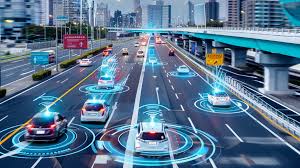
Transforming Urban Living Through Intelligent Design
As cities globally grapple with rapid urbanization, the integration of artificial intelligence (AI) in urban infrastructure offers innovative solutions to age-old problems. Smart cities leverage this technology to enhance traffic management, optimize energy consumption, and bolster public safety, significantly improving the quality of life for residents.
Intelligent Traffic Management
Urban traffic congestion is a common issue that impacts productivity and contributes to environmental degradation. AI plays a pivotal role in transforming traffic systems into smart, dynamic networks. Real-time data analysis from various sources, including traffic cameras and IoT sensors, allows AI systems to anticipate congestion patterns, optimize signal timings, and even reroute vehicles to alleviate bottlenecks.
For example, AI algorithms can analyze traffic flow and adjust traffic signal timings in real-time, reducing wait times and emissions. Moreover, linkages with navigation apps allow commuters to receive live updates on the best routes, further streamlining the journey. The outcome is a more fluid transportation network that enhances accessibility and reduces the frustration often tied to city travel.
Sustainable Energy Solutions
The demand for sustainable energy solutions is paramount as cities seek to lower their carbon footprints. AI technologies assist in the management of energy consumption in buildings and public spaces, promoting efficiency and sustainability. Smart grids, for instance, utilize AI to predict energy demand and manage supply dynamically. This ensures that energy is distributed optimally, preventing shortages or wastage.
AI also enables the integration of renewable energy sources, such as solar and wind power, into the urban energy mix. By analyzing weather patterns, consumption trends, and system performance, AI systems can anticipate energy supply and balance it accordingly with demand. As a result, cities can foster greener practices while ensuring that residents and businesses receive uninterrupted power.
Enhancing Public Safety
Public safety is paramount in urban environments, and AI technologies can significantly enhance law enforcement and emergency response systems. Predictive policing, which utilizes AI to analyze data and identify potential crime hotspots, allows law enforcement agencies to allocate resources more effectively. This proactive approach can deter crime before it occurs and fosters stronger community relations through increased visibility and engagement.
Additionally, AI-driven surveillance systems equipped with facial recognition and behavioral analysis capabilities enhance security in public spaces. These systems can alert authorities to unusual behavior, allowing for quicker responses to potential threats. Furthermore, emergency response systems leveraging AI can analyze traffic patterns and environmental data to optimize routes for first responders, ensuring timely intervention in critical situations.
Challenges and Considerations
While the integration of AI in smart cities offers numerous benefits, it is not without challenges. Privacy concerns surrounding data collection and usage must be addressed to ensure that residents feel secure and protected. Transparency in AI operations, along with strong data protection regulations, is essential to foster public trust.
Moreover, the digital divide—a disparity in technology access—must be considered. As cities implement AI solutions, efforts should be made to ensure that all residents can benefit from new technologies, preventing underserved communities from being left behind.
The Road Ahead
As we look to the future, the potential of AI in smart cities continues to expand. Collaborative efforts between city planners, technology developers, and residents will be instrumental in shaping urban landscapes that prioritize sustainability, efficiency, and safety. By embracing AI, cities can not only address current challenges but also pioneer solutions for future generations.
In conclusion, the integration of AI into urban infrastructure represents a transformative leap toward more intelligent, sustainable, and secure cities. Through advancements in traffic management, energy optimization, and public safety, AI affords municipalities the opportunity to reshape everyday experiences for better urban living. The path forward requires careful consideration and collaboration, ensuring that technology serves as a bridge to enhanced quality of life for all city dwellers.


